Scones are a British afternoon tea staple and they’re delicious served with jam and clotted cream. Not quite cake, but not really a biscuit or pastry either, scones have a unique texture that’s entirely their own. Scones are traditionally made with flour, butter, sugar and milk, but where did the recipe originate from? Scones date much further back than you might think, so if you want to know, read on for a brief history of the scone.
The first scones
Scones are thought to have originated in Scotland in the early 1500s and the first known print reference was made by a Scottish poet in 1513. Scones were originally made using oats, shaped into a large round and scored into four or six wedges. They were then griddle baked over an open fire, although today’s versions are made with flour and baked in the oven.
The word is thought to have originated from the Dutch “schoonbrot,” meaning fine white bread; and the closely-related German “sconbrot,” which means fine or beautiful bread.
The height of fashion
Around 1840, scones became an essential part of the fashionable ritual of afternoon tea in England. This was popularised by Anna, the Duchess of Bedford, who was a close friend of Queen Victoria. One afternoon she requested some ‘light food’, which included tea, biscuits and scones. It’s said that she enjoyed it so much that she ordered it every afternoon and the English ritual of ‘Afternoon Tea’ was born.
Jam or cream first?
Much debate surrounds the ‘correct’ way to eat a scone, so how do you eat yours? Cream tea is very popular in both Devon and Cornwall but the main difference is how they eat their scones. In Cornwall, jam is added first to allow it to sink into the warm scone and then clotted cream is added on top.
In Devon, it’s the other way round, clotted cream is spread first to create a barrier between the runny jam and the scone.
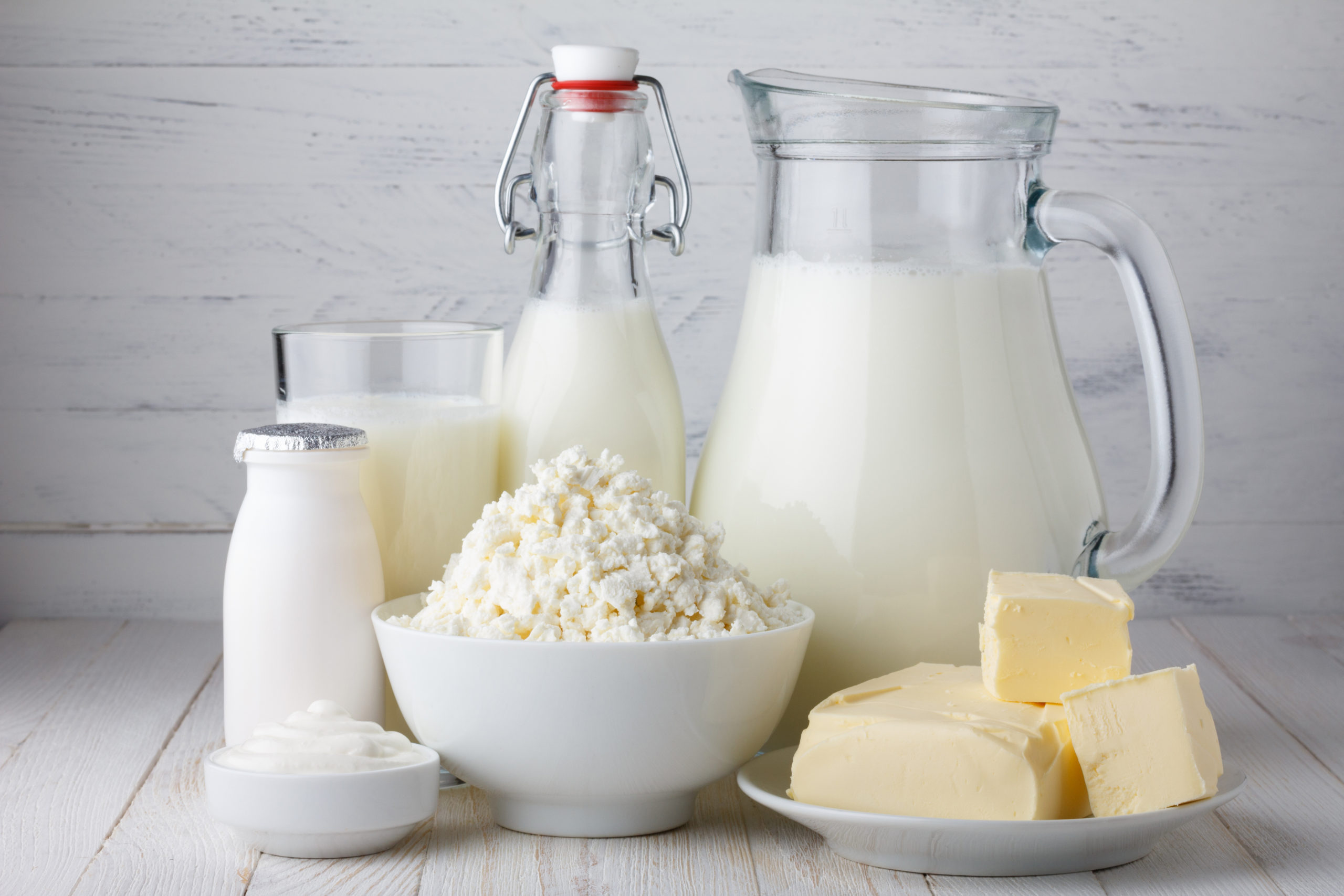
You can’t enjoy a scone without jam or cream, so if you’re looking for high quality cream, butter and spreads, get in touch with the team at Freshways. We’re proud to provide a range of wholesale products for your business, including clotted cream and individual portions of jam. We also stock a range of additional products, including milk, eggs, cheeses and a range of bakery products. For more information or to discuss your requirements, give us a call today or contact us online.